
MINING
Historically, mining defined South Africa’s economy, from the gold rush of the 1800s to its position as a leading producer of platinum, manganese, and coal. It built cities, attracted global capital, and created hundreds of thousands of jobs. But the sector’s legacy also includes labour exploitation, environmental degradation, and cycles of boom and bust.
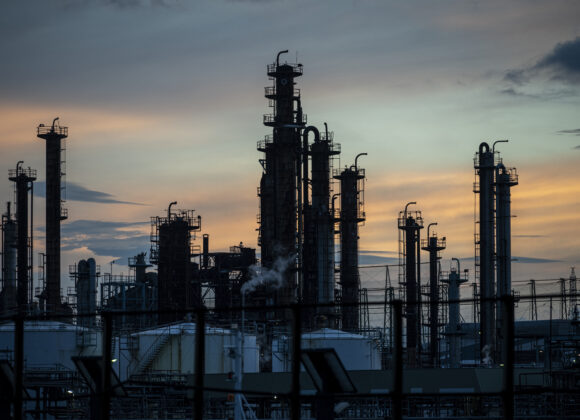
Today, mining still employs around 450,000 workers, contributing 7–8% to GDP, automation, safety risks, and energy constraints are reshaping operations. Retrenchments in coal and gold mines illustrate a painful transition. The rise of “green minerals” cobalt, lithium, and rare earths positions South Africa to capitalise on the global demand for renewable energy storage and electric vehicles.
Mining, administered through the Mining Qualifications Authority (MQA), is both the bedrock of South Africa’s industrial rise and a sector in transition. The MQA, funded by the skills levy, aligns its mandate with the National Skills Development Plan 2030 by addressing skills shortages in geology, engineering, safety, and artisanal trades.
The outlook to 2030 suggests mining will pivot from labour-intensive methods to highly skilled, technology-driven operations. Companies like Anglo American and Impala Platinum are already investing in automation, AI monitoring systems, and environmental rehabilitation. The challenge lies in retraining displaced workers for new opportunities, whether in mechanised mining, environmental sciences, or linked industries like renewable energy.
The sector’s next chapter will depend on strategic partnerships between industry, training providers, and government. Mining must be reimagined not just as extraction, but as innovation with jobs across data analytics, green technologies, and supply chain logistics.
Mining as a test of South Africa’s adaptability. If the country invests in reskilling and forward planning, mining can remain a cornerstone of growth and inclusive participation well into the 2030s.
Leave a Reply