The Health and Welfare Sector Education and Training Authority (HWSETA) plays a vital role in developing the human capital needed to sustain South Africa’s healthcare and welfare systems.

Health
The sector’s history is shaped by inequality and innovation. In the past, access to quality care was racially stratified. Post-democracy, South Africa inherited a two-tiered system, while the private sector rivals the best in the world, the public sector which serves nearly 80% of the population remains underfunded, understaffed, and overburdened. The HIV/AIDS epidemic of the 2000s exposed the fragility of the system but also spurred advances in antiretroviral programmes and public health mobilisation.
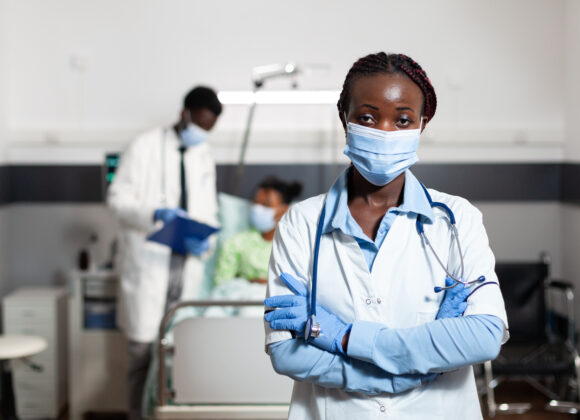
Currently, the health sector employs more than a million people from doctors and nurses to community health workers, yet shortages persist in critical areas. Thousands of trained nurses remain unemployed due to budget freezes, while rural areas lack basic services. Globally, South African healthcare professionals are in demand, creating a brain drain that worsens local shortages.
South Africa’s health sector is one of contrasts, world-class private healthcare coexists with overburdened public hospitals. The Health and Welfare SETA (HWSETA), funded through the skills levy, trains nurses, health workers, and care practitioners under the National Skills Development Plan 2030. Its role is crucial in building a workforce capable of addressing both local health crises and global demand for healthcare professionals.
By 2030, South Africa’s health system is expected to undergo major reform with the roll-out of the National Health Insurance (NHI). If implemented effectively, NHI could bridge inequality by integrating private and public resources. Technological advances in telemedicine, AI diagnostics, and biotechnology will reshape service delivery. However, success will hinge on training and retaining enough health professionals to meet the country’s needs.
The health sector is both a humanitarian necessity and an economic imperative. A healthier population underpins productivity, growth, and social stability. Investing in people from doctors to caregivers is the foundation of South Africa’s future.
Leave a Reply