The concept of decent work, first defined by the International Labour Organization, goes beyond employment numbers.

Engineering
Historically, South Africa’s factories drove industrialisation, employing millions in textiles, steel, and automotive production. Yet globalisation and cheap imports hollowed out many traditional industries, leading to widespread retrenchments. Still, manufacturing remains a powerhouse contributing over 12% to GDP and anchoring export competitiveness in automotive, chemicals, and food processing.
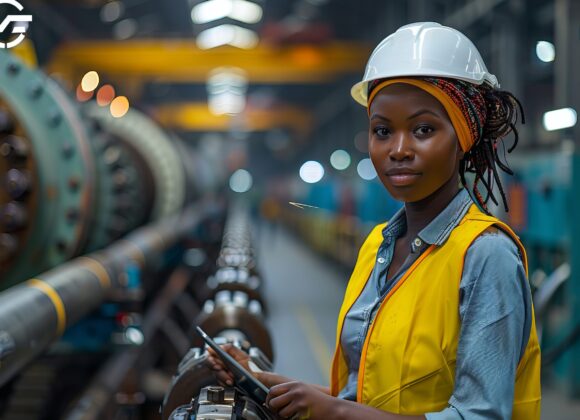
The labour market reflects both opportunity and vulnerability. Many traditional jobs have vanished, new demand has emerged for skilled artisans, robotics technicians, and industrial engineers. Partnerships with TVET colleges are crucial for bridging the gap between unemployed youth and the skills needed by factories of the future.
Manufacturing, under the stewardship of MERSETA, remains central to South Africa’s industrial economy. MERSETA channels the skills levy into artisan training, engineering qualifications, and advanced manufacturing skills aligned to the National Skills Development Plan 2030.
The outlook to 2030 suggests a bifurcated path, low-skilled jobs will decline, but high-tech roles in 3D printing, renewable energy components, and advanced automotive manufacturing will grow. The automotive industry, led by companies like Toyota and BMW SA, will be pivotal in sustaining jobs and exports. Simultaneously, localised manufacturing in green technologies could create fresh pathways for employment and entrepreneurship.
Manufacturing is no longer just about assembly lines, it is about adaptability, innovation, and global competitiveness. The retraining of workers from declining industries into emerging ones will determine whether the sector remains a driver of inclusive economic growth.
South Africa cannot cling to the past. Instead, it must engineer a future where factories produce not just goods, but opportunity.
Leave a Reply