The Energy and Water Sector Education and Training Authority (EWSETA) sits at the centre of two of South Africa’s most urgent challenges, reliable energy supply and sustainable water management.

ENERGY & WATER
Historically, South Africa’s energy sector has been dominated by coal-fired power through Eskom, while water management faced challenges of inequality and infrastructure decay. Together, they have shaped economic growth and constrained it. Energy shortages and water scarcity are now among the most pressing risks to the country’s development.
Currently, the sector is under immense strain. Power cuts have throttled growth, while water insecurity threatens agriculture, industry, and households. The crisis has also spurred investment in renewable energy, independent power producers, and new water technologies. Companies like Sasol and Rand Water are diversifying, while banks are financing large-scale solar and wind projects.
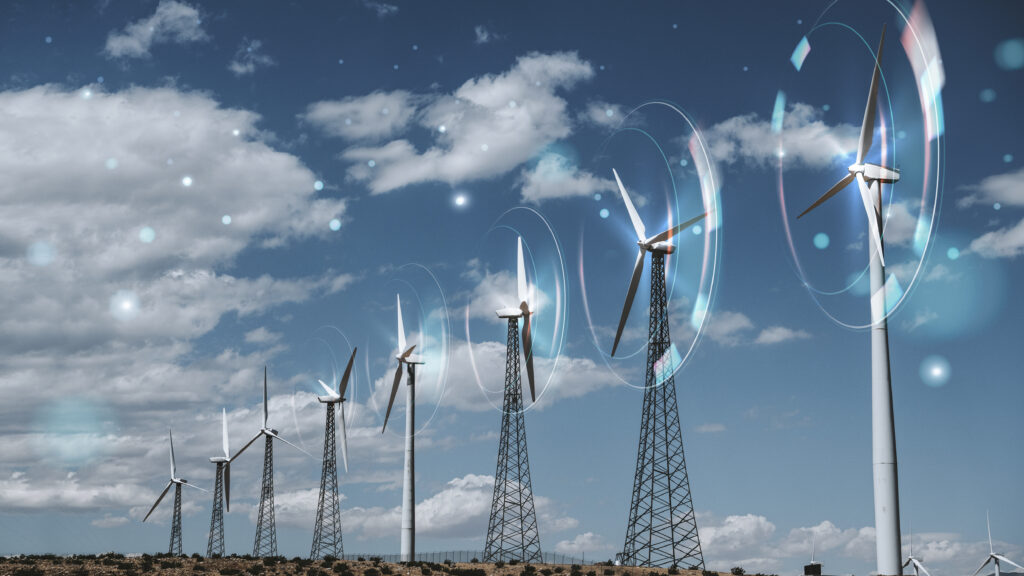
The Energy & Water Sector, driven by EWSETA, is at the heart of South Africa’s development trajectory. Funded through the skills levy, EWSETA aligns with the National Skills Development Plan 2030 by ensuring the training of engineers, technicians, and artisans across power generation, water management, and renewable energy.
By 2030, the energy and water sectors are expected to undergo transformative change. The shift towards renewables will create jobs in solar, wind, and green hydrogen, while water treatment and desalination projects will require new technical expertise. However, retrenchments in traditional coal power plants are inevitable, and reskilling will be critical.
This sector embodies South Africa’s crossroads, it is both a challenge and an opportunity. Done right, the transition can create thousands of new jobs while securing the foundations of inclusive growth. Without sustainable power and water, there can be no economic participation.
Leave a Reply