
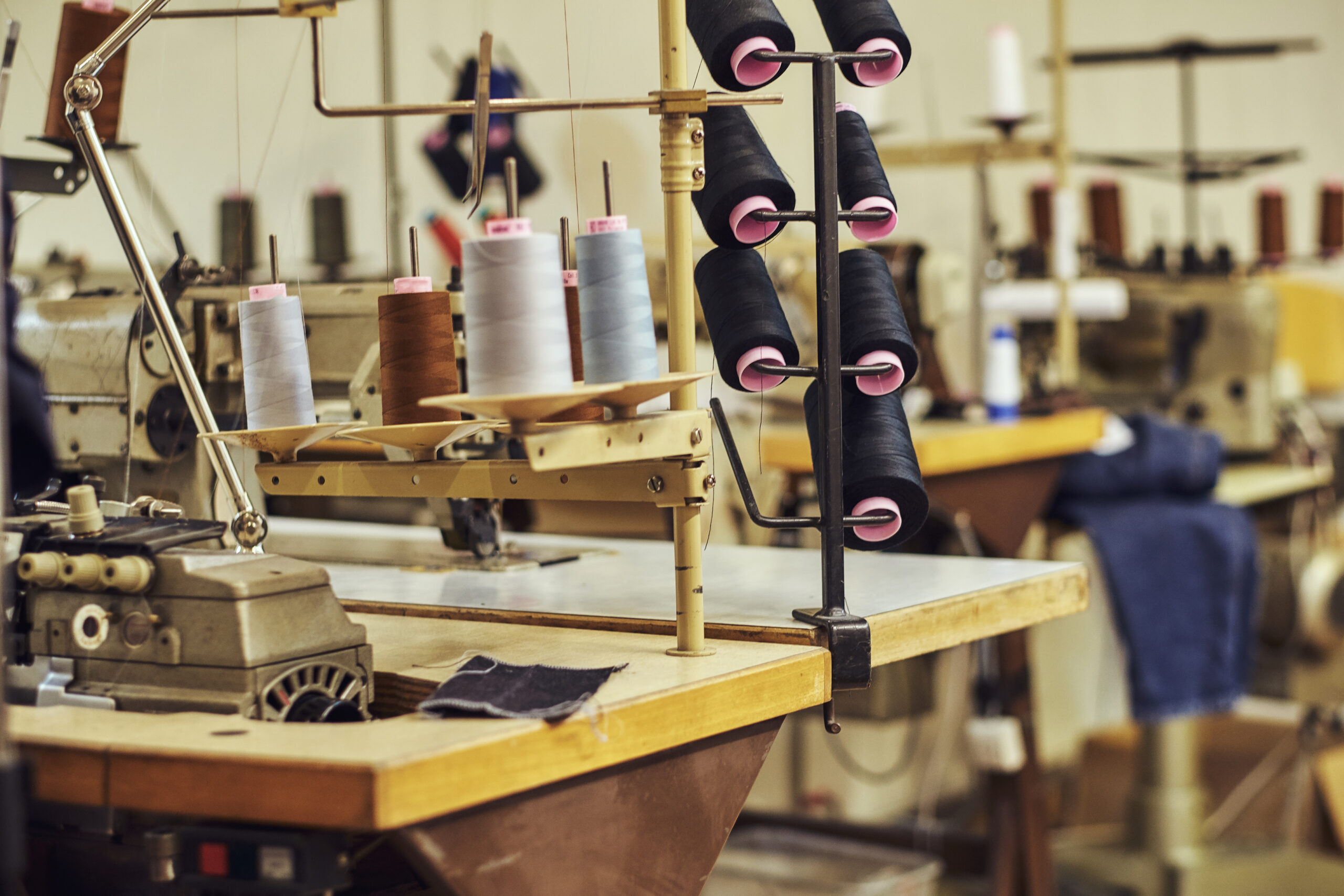
The Fibre Processing and Manufacturing (FP&M) sector is one of South Africa’s oldest industries, with roots in textiles, clothing, footwear, wood products, printing, and packaging. These industries not only provide everyday essentials but also carry cultural and economic significance. The sector is a key employer of women and youth, particularly in rural and peri-urban areas where textile factories and furniture workshops have historically thrived.
The FP&M SETA, funded through the Skills Development Levy, is mandated to address the sector’s critical skills needs. Its work aligns with the National Skills Development Plan (NSDP) 2030, ensuring the industry develops artisans, machinists, designers, technologists, and business managers who can compete globally. FP&M SETA also plays a role in revitalising industries that have been battered by globalisation, import competition, and automation.
The sector is home to companies such as Edcon (clothing retail, though now restructured), TFG (The Foschini Group), Mr Price, and Pepkor in fashion retail; Sappi and Mondi in pulp, paper, and packaging; and small to medium-scale furniture and textile producers across the country. The wood and paper sub-sectors link closely to forestry, while printing and publishing remain connected to media and education.
Labour market challenges include retrenchments in clothing and textiles due to import penetration from Asia, coupled with automation reducing low-skill jobs. Opportunities exist in niche markets such as local fashion design, sustainable textiles, packaging innovation, and furniture manufacturing. Stats SA notes that while manufacturing as a whole has shed jobs, small subsectors with strong local demand and export potential are stabilising employment.
Youth and women dominate the workforce in this sector, wages are often low and working conditions uneven. The SETA’s challenge is not only to upskill for productivity but also to improve formalisation and decent work, particularly in smaller businesses. Skills mismatches exist where traditional sewing or printing skills are abundant, but newer digital design, CAD, and green manufacturing skills are scarce.
FP&M SETA’s initiatives in supporting design schools, artisan training, and SMEs have begun to create new entry points. Leveraging South Africa’s cultural creativity and entrepreneurial energy, the fibre and manufacturing industries could be repositioned as job creators and export earners.
The sector must be reimagined as an engine for inclusive industrialization by investing in design, sustainability, and entrepreneurship, FP&M SETA can help stitch together a workforce ready for global competitiveness.
Questions for the Future
How can FP&M SETA foster stronger linkages between local designers and global retail supply chains to create sustainable jobs?
What role can sustainable materials and green manufacturing play in revitalising the sector?
How can SMEs in furniture, fashion, and printing be supported to absorb unemployed youth and women workers?
Leave a Reply