
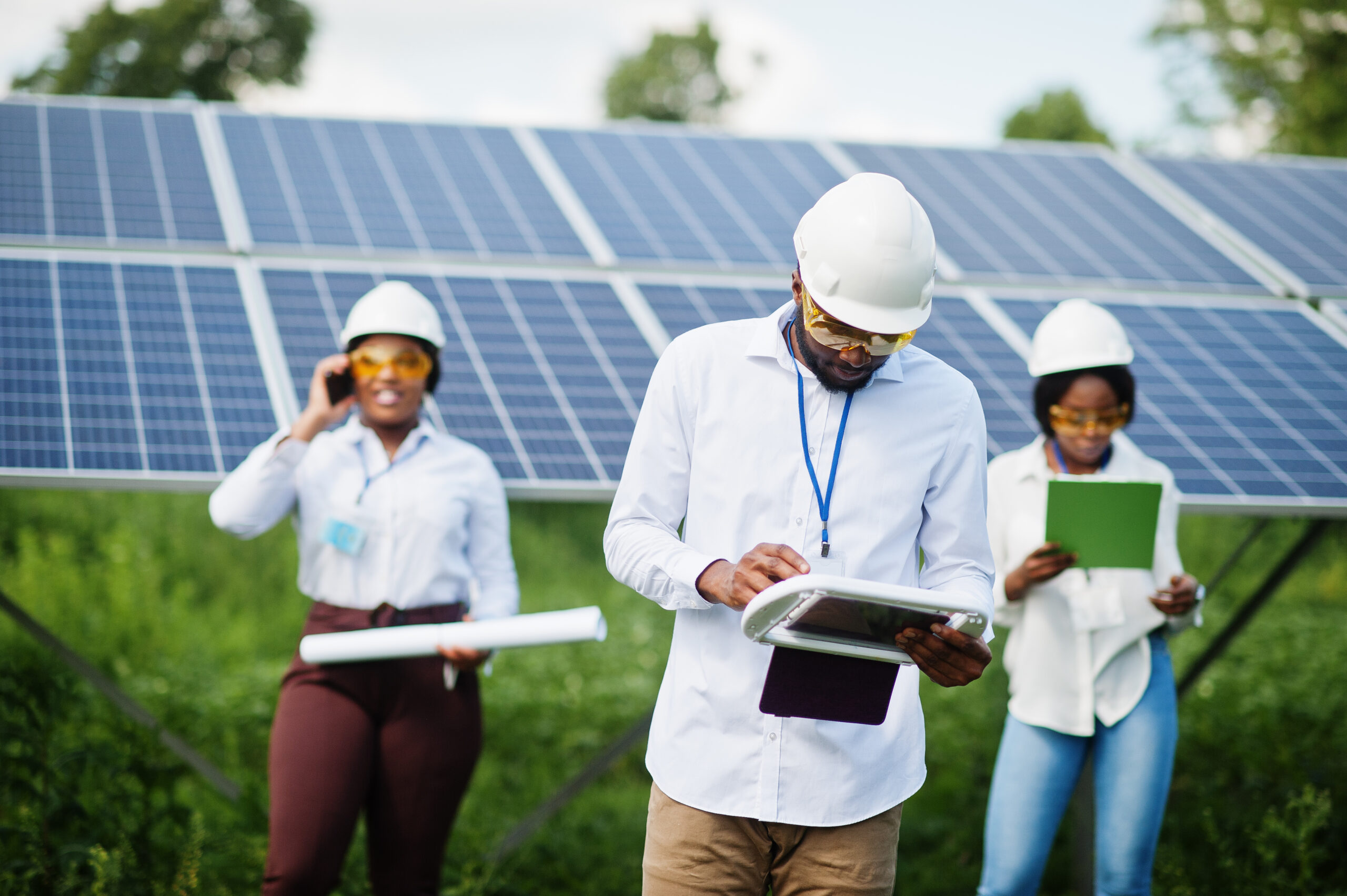
Energy and water are the lifeblood of South Africa’s economy and society. Persistent load shedding, infrastructure failures, and water scarcity underscore the urgent need for skills development in these sectors. The Energy and Water Sector Education and Training Authority (EWSETA) is mandated to close critical skills gaps and prepare the workforce for South Africa’s energy transition and water security challenges.
Funded through the Skills Development Levy and aligned with the NSDP 2030, EWSETA’s purpose is to ensure that artisans, technicians, engineers, and managers in both energy and water sectors are trained to meet future demand. This includes renewable energy technicians, water treatment specialists, hydrologists, and energy efficiency experts.
The energy sector is undergoing profound transformation. Eskom, the country’s largest employer in the space, faces restructuring, while independent power producers (IPPs) in solar, wind, and gas are rapidly growing. Companies such as Sasol, Exxaro, and renewable leaders like Mainstream Renewable Power are expanding their presence. In water, entities such as Rand Water, Umgeni Water, and municipal utilities remain key employers, alongside engineering consultancies and infrastructure contractors.
Labour market trends are mixed. Retrenchments in coal-fired power stations and traditional utilities are accelerating due to decarbonisation policies, yet renewable energy is creating new opportunities. However, the pace of job creation in renewables is not yet sufficient to absorb all displaced workers. Similarly, water shortages and infrastructure failures increase demand for skills in planning, operations, and maintenance, yet municipalities struggle to attract qualified professionals.
Youth and women face barriers to entry in technical fields but represent the future of the workforce. EWSETA-funded programmes, including learnerships, bursaries, and artisanal training, aim to address this, though absorption into formal employment remains uneven. SMEs in renewable energy installation and water services also offer entrepreneurial pathways if adequately supported.
Stats SA and international institutions such as the ILO emphasise that the energy transition must be “just” ensuring workers and communities dependent on coal and traditional energy sources are not left behind. EWSETA is therefore central to ensuring reskilling and inclusive participation.
Career Indaba Daily Times believes that the twin crises of energy insecurity and water scarcity must be reframed as opportunities for innovation and employment. By investing in technical skills and just transition strategies, EWSETA can help build resilience and inclusive growth.
Questions for the Future
How can EWSETA expand reskilling programmes for workers displaced from coal and conventional energy into renewable and energy-efficiency roles?
What strategies could improve the retention of skilled water engineers and technicians within municipalities struggling with capacity?
How can SMEs in solar installation, wind energy, and water treatment become vehicles for youth and women’s employment?
Leave a Reply