
AGRICULTURE

Home AGRICULTURE

Agriculture has long been the backbone of South Africa’s economy, feeding millions, supporting exports, and anchoring rural livelihoods. It is also the domain of AgriSETA, which drives skills development through the National Skills Development Plan 2030, funded by the skills levy. Its mandate is clear, to align training with the realities of an industry balancing tradition with mechanisation, sustainability, and climate change.

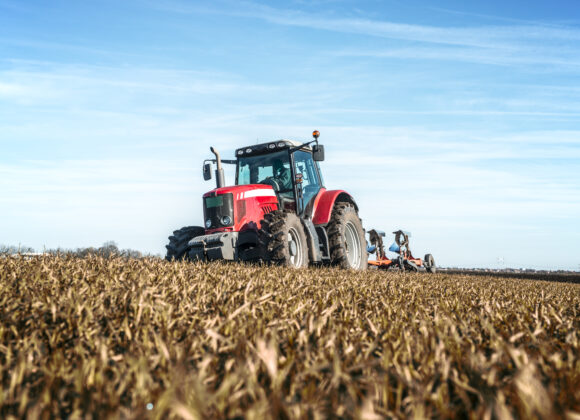
Tractor agricultural machine cultivating field.

The sector’s history reflects both resilience and inequity. For decades, farming has provided jobs for low and semi-skilled workers, but access to land, training, and finance excluded many. Today, transformation is reshaping ownership patterns, while mechanisation and agri-tech threaten to displace workers. At the same time, these technologies open doors for higher-skilled roles in precision farming, food processing, logistics, and agribusiness entrepreneurship.

According to Statistics South Africa, agriculture employs nearly 900,000 people directly, the sector’s full value is underestimated when one considers upstream and downstream linkages from seed suppliers and irrigation companies to food retail and exports. Banks and trade agencies project steady growth in horticulture, livestock, and niche exports like citrus, nuts, and wine, which anchor South Africa’s competitive edge.

Looking ahead to 2030, agriculture is forecast to diversify into agro-processing, agro-tourism, and climate-smart farming. Global demand for sustainable, ethically sourced produce will shape investment. Youth and women stand at the frontier of this opportunity, provided they gain access to training, markets, and finance. Retrenched farmworkers could be absorbed into related value chains such as food logistics and processing, where new employment pathways exist.

The question is whether policy, skills development, and market forces can converge to build a sector that feeds the nation while employing its people sustainably. AgriSETA’s challenge is not just training farmers, it is cultivating entrepreneurs, climate scientists, and value-chain professionals.

If South Africa gets it right, agriculture can be the green engine of inclusive growth by 2030.

Leave a Reply

Your email address will not be published.